Don't Allow Your Vehicle to Be a Victim of a Non-Consensual Tow
November 22, 2021
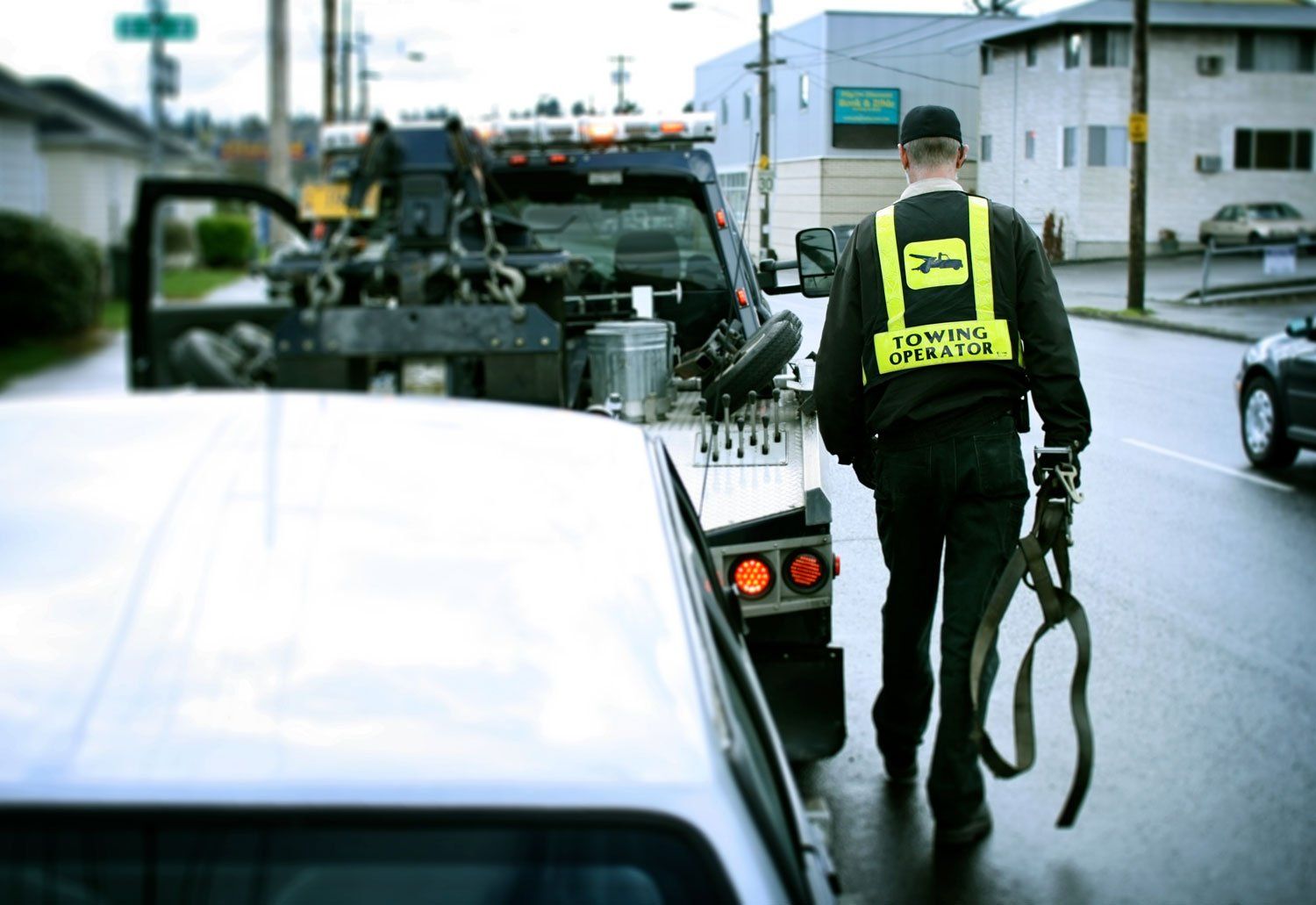
Have you ever broken down on the side of a major highway, left to get help, and come back only to find your vehicle missing? Knowing that your vehicle was not running and did not leave on its own, you can assume your vehicle was towed. Unfortunately, this is what has probably taken place. You are likely a victim of a non-consensual tow.
What is a non-consensual tow? Read on for more information.
What Is a Non-Consensual Tow?
A non-consensual tow is when a towing company picks up your vehicle without your prior consent or knowledge. Usually authorized by law enforcement, these are typical tows for abandoned vehicles, accident scenes, or cars in no parking zones.
In some areas, law enforcement will tag your broken-down vehicle, giving you 24 to 48
hours to move it before towing it. Once your time is up, a tow company picks up the car and takes it to their storage lot. If law enforcement feels your vehicle poses a hazard where it is, they can pick it up quicker.
Parking your wrecked or non-working vehicle on the street in front of your house may still not protect you from a non-consensual tow. Many cities have local ordinances limiting the amount of time your car can park there. This time frame may be as short as 72
hours.
Where Will Your Vehicle Go?
One of the most significant hurdles with a non-consensual tow is figuring out who towed your vehicle and where it is. If you broke down on the side of a major highway, several different law enforcement agencies might have ordered the tow. These include the:
- Highway patrol
- Local police department
- Local sheriff's department
Depending on which agency seizes control of your vehicle and orders its tow will often depend on which towing agency law enforcement contacts. Most law enforcement agencies have tow companies on a contract that they use on a rotating basis.
The contracted tow company will then pick up your vehicle and tow it to their local storage yard. Depending on who picks it up will determine where your vehicle ends up.
The tow company will then hold your vehicle on the lot until they receive payment or receive authorization to release the vehicle. If your vehicle stays there without being claimed, the tow company can place a mechanic's lien on your vehicle and eventually auction it off.
How Much Will A Non-Consensual Tow Cost?
A non-consensual tow can get expensive quickly. In Indiana, a tow company can charge a tow fee of $150.00. Unfortunately, they can tack on other fees for other services they state they render at the time of your tow. Extra fees may include extra personnel or specialized equipment. An example of this would be an additional dolly or winch fee.
Once your vehicle goes to the storage yard, you can then receive a charge of $30 per day for storage. Do not allow your vehicle to be a victim of a non-consensual tow. Always know who to call when you find yourself on the side of the road.
Hix Wrecker Service
will come and get you no matter where you are. We possess a wide range of tow vehicles and can move any size vehicle you own. Give us a call and your consent, and we will be on our way to take your vehicle where it needs to go. We look forward to helping you with all your towing needs. We are available 24/7 so that you never have to leave your car unattended. Please let us know how we can assist you today.
With roadside assistance, you have two options: a tow truck or a wrecker. Tow trucks and wreckers differ, so understand the differences here.
Not all tow trucks provide equally appropriate service. In some instances, a flatbed tow truck outshines other options. Learn more in this blog.
Different situations call for different types of towing services. Read this blog to understand when you need different forms of towing.
Different situations call for different tow trucks. Read this blog to learn the differences between light- and heavy-duty tow trucks.
Manage your safety when waiting for a late-night towing service with the following safety tips. Read on to learn more about how to protect yourself.
There are some things you can do to help make the towing process easier for both you and the tow driver. Read on to learn more helpful tips and practices.
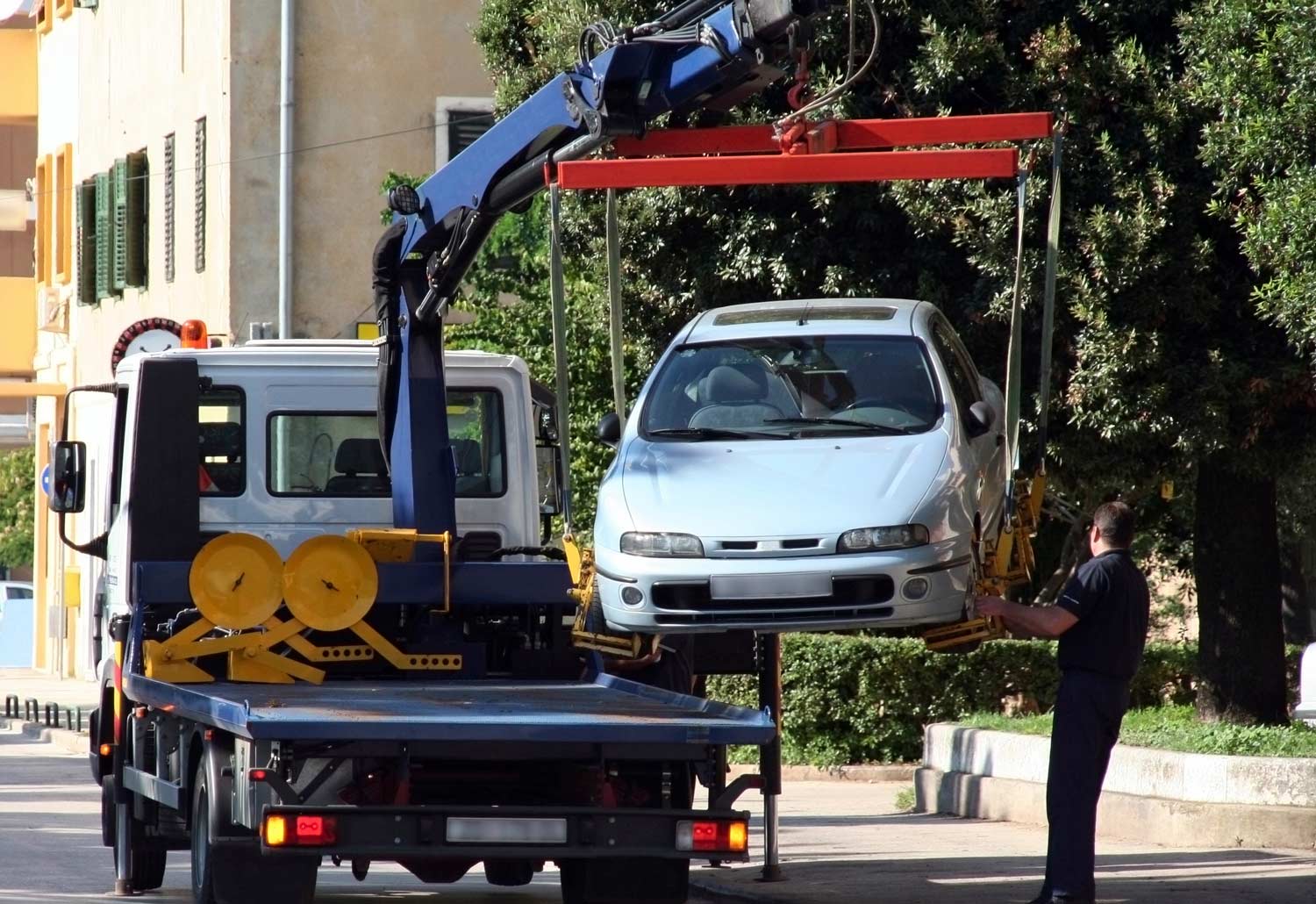
Auto breakdowns happen a lot. When that happens, you need a towing company. Discover four reasons why this is a good choice to make.
What should you do after a motor vehicle accident to ensure your physical and legal safety? Discover seven crucial steps to take immediately.
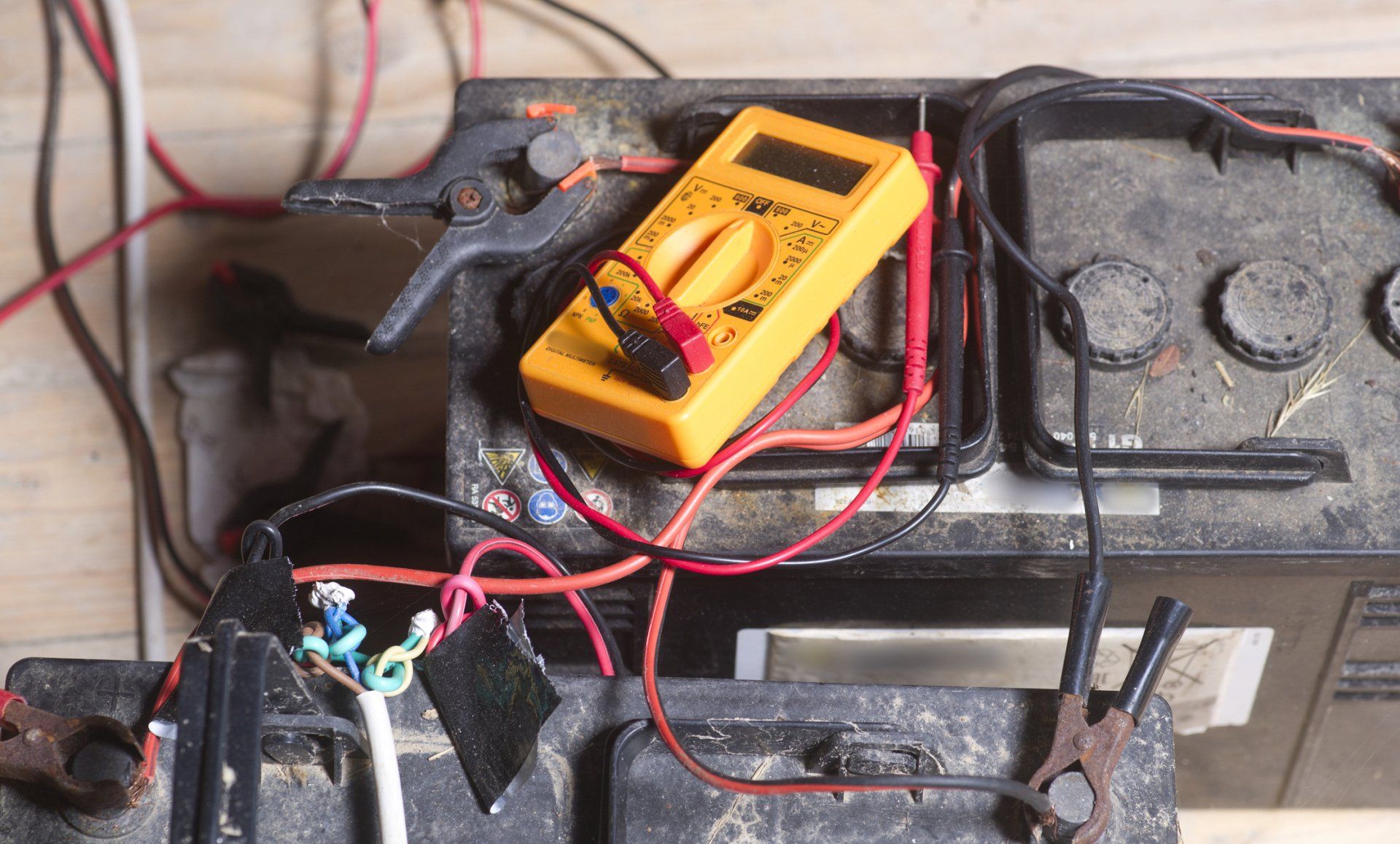
Some signs can help you know when your vehicle battery is on the verge of failing. Discover nine signs of a dying car battery to be prepared.
Car breakdowns are stressful and a major inconvenience, especially if it happens at night. Read on for helpful tips to prevent a vehicle breakdown.



